• Welcome to your new Gnomio site


    🌟 Welcome to the Course! 🌟

    Dear Learners,

    Welcome to this exciting journey of learning and growth! I am delighted to have you in this course, and I look forward to supporting you as you build new skills, explore new ideas, and strengthen your understanding of key concepts.

    This online space is designed to be interactive, engaging, and learner-friendly. Feel free to explore the modules, participate in discussions, ask questions, and collaborate with your fellow classmates. Your active participation is highly encouraged and truly valued.

    As you begin, remember:

    • You are capable.

    • Your contributions matter.

    • This is a safe space to learn, make mistakes, and improve.

    If you ever feel stuck or need clarification, don’t hesitate to reach out. Together, we will make this a meaningful and successful learning experience.

    Once again, welcome, and I wish you an inspiring and rewarding time in this course!

    Warm regards,

    MISS. CHARITY AKHONYA

    Course Instructor


Available courses

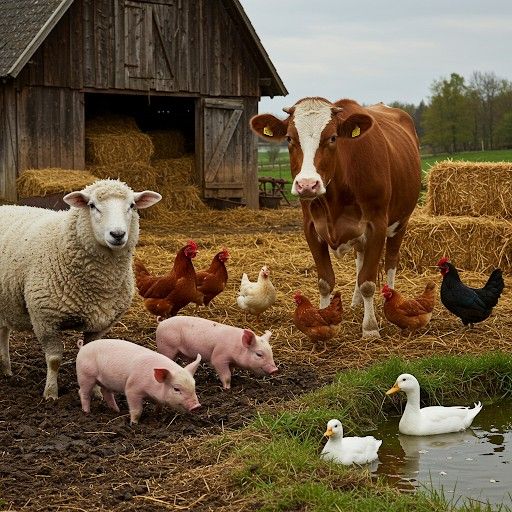
Animal Production is a comprehensive course designed to introduce students to the scientific principles and practical skills involved in the management, breeding, feeding, and care of livestock for the efficient production of animal products such as meat, milk, eggs, wool, and hides.
The course explores the major livestock species-cattle, goats, sheep, pigs, and poultry-focusing on their housing, nutrition, reproduction, and health management. Emphasis is placed on sustainable animal production systems, animal welfare, and the role of livestock in economic development and food security

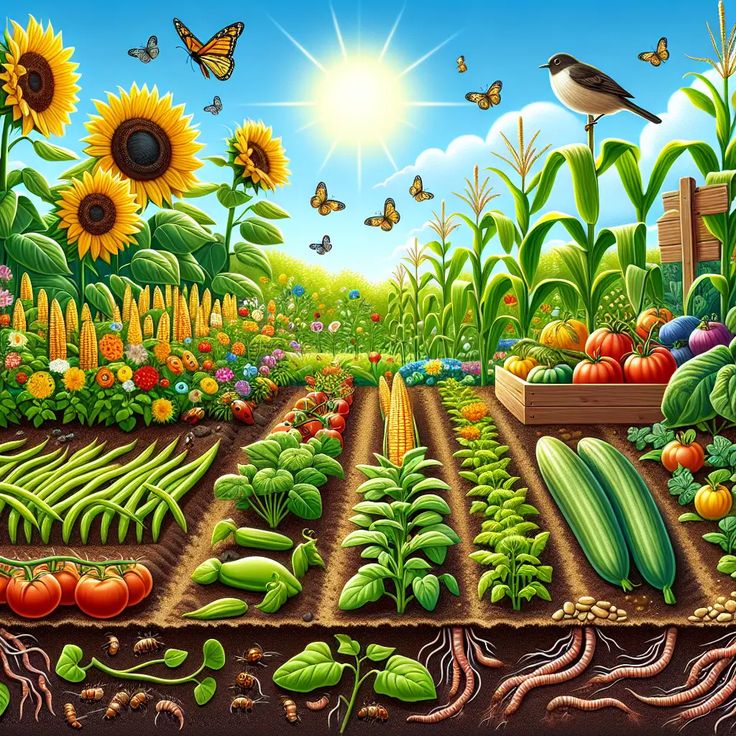
Crop production is the branch of agriculture that deals with the growing of crops for food, feed, fiber, and other uses. It involves preparing the land, selecting and planting suitable seeds, managing soil fertility, controlling pests and weeds, and harvesting mature crops.

The goal of crop production is to obtain high yields of good-quality produce in a sustainable and efficient way. It includes the cultivation of various crops such as cereals (e.g., maize, rice, wheat), legumes (e.g., beans, peas), root crops (e.g., cassava, potatoes), vegetables, and fruits.